
By Recycling, you can change Tomorrow, Today!
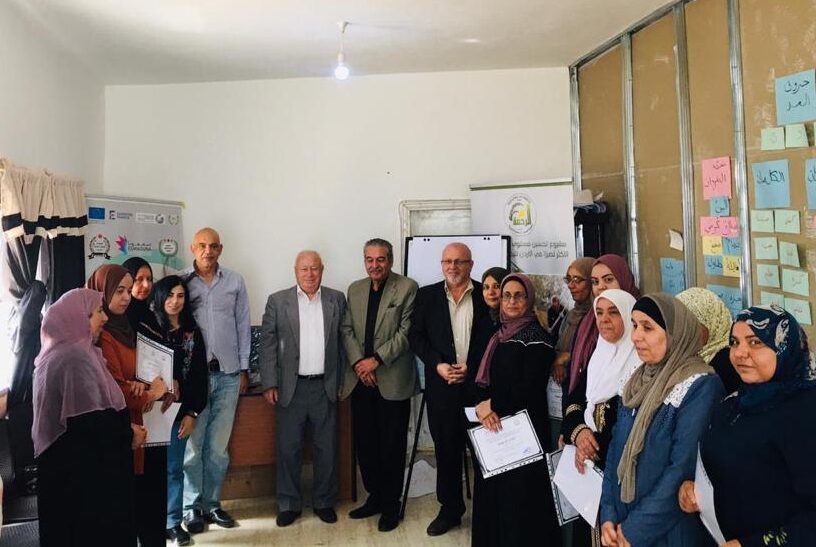
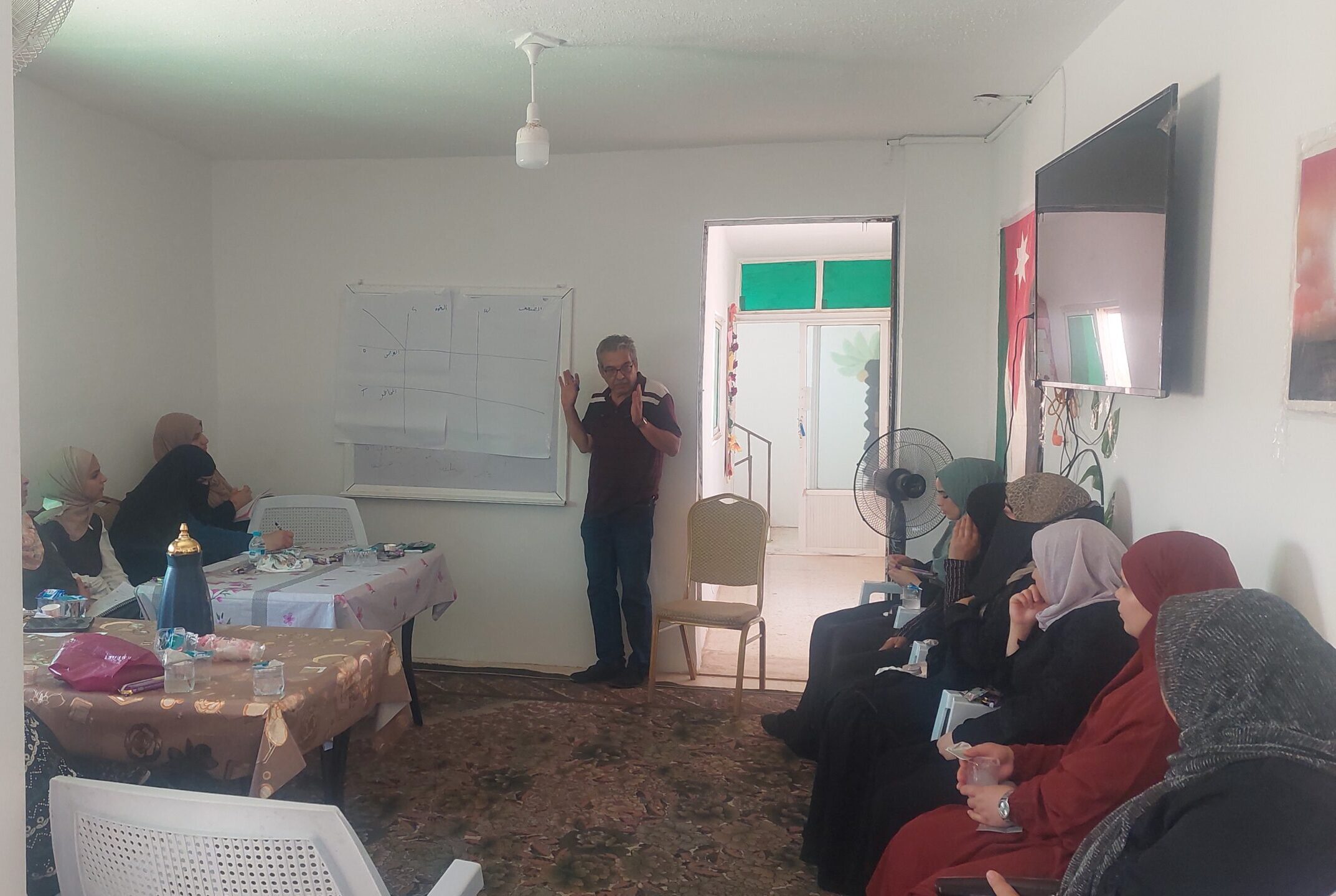
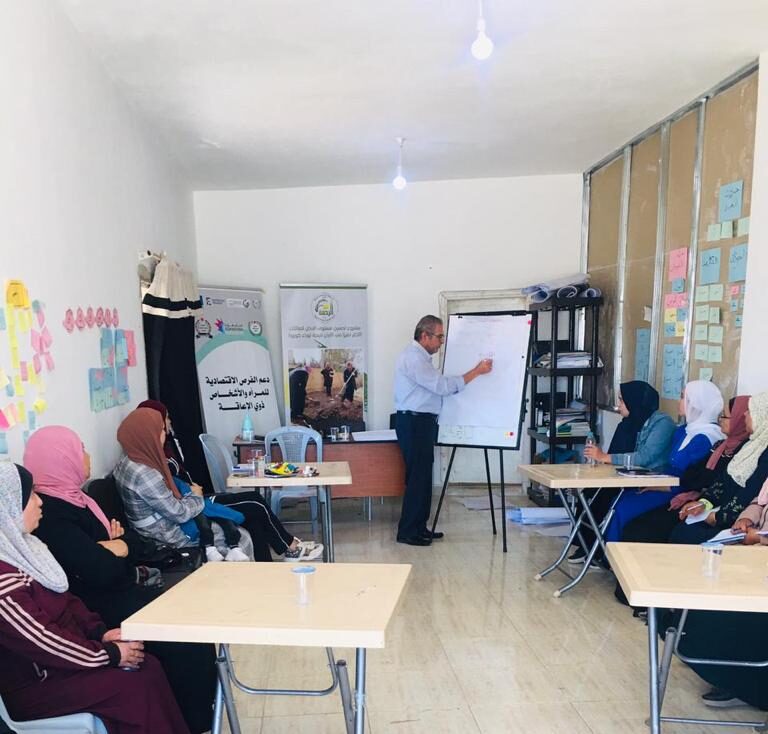
Business Development Training for Small Compost Producers (2021–2022) The Business Development Training for Small Compost Producers Project was implemented during 2021–2022 through a collaboration between Organic Fertilisers Eco Systems (OFES) and Branches of Mercy NGO. The project was funded by the German Federal Ministry for Economic Cooperation and Development (BMZ) through Vision Hope International, with the objective of strengthening sustainable livelihoods and supporting small-scale agricultural producers through compost production and business development. The project aimed to equip small farmers and members of local non-governmental organizations with the technical and entrepreneurial skills needed to establish and operate sustainable composting enterprises. By combining practical compost production training with business development support, the initiative sought to create income-generating opportunities while promoting environmentally sustainable agricultural practices and organic waste valorization. As part of the project, OFES designed and delivered 21-day intensive compost production courses in Manshia, Mafraq Governorate, and Karak Governorate, reaching approximately 50 small farmers and NGO members. The training provided participants with comprehensive knowledge of composting technologies, organic waste management, feedstock selection, compost production processes, quality control measures, and the safe use of compost in agricultural applications. Following the technical training phase, all graduates participated in a specialized Business Development Training Program aimed at transforming compost production skills into viable micro-enterprises. The business training focused on: Business planning and enterprise development. Market analysis and customer identification. Marketing and promotional strategies. Advertising and customer outreach techniques. Branding and product positioning. Packaging design and product presentation. Cost calculation and pricing strategies. Financial management and profitability assessment. Sales planning and market access opportunities. The project adopted a practical and participatory approach, enabling participants to develop business concepts tailored to their local contexts and available resources. Through hands-on exercises, mentoring, and business planning sessions, trainees gained the skills necessary to assess production costs, determine competitive pricing, improve product packaging, and effectively market compost products to farmers, agricultural cooperatives, and local markets. As a result of the project, participants enhanced their technical capacity in compost production while significantly improving their business planning, marketing, branding, packaging, and cost-calculation skills. The initiative contributed to the creation of new economic opportunities, encouraged the adoption of circular economy practices, and supported sustainable agricultural development in rural communities.
By Recycling, you can change Tomorrow, Today!
Copyright @ The Organic Fertilizer Eco Systems Association
Powered By Dardostech
We successfully cope with tasks of varying complexity, provide long-term guarantees and regularly master new technologies.
As a private, independent and non-profit association, OFES supporting the development of high-performance, international standards-based waste management in Jordan, involving all relevant civil society groups.